The Village of Ickwell in General
![Ickwell Green in 1873 [X758/1/17/34]](/CommunityHistories/Ickwell/IckwellImages/Ickwell Green in 1873 [X758-1-17-34]_351x249.jpg)
Ickwell Green in 1873 [ref: X758/1/17/34]
Landscape
The land is low lying, only about 110 feet above sea level at the maypole. The solid, or underlying, geology is a type of mudstone called Oxford Clay Formation, laid down between 154 and 164 million years ago in the warm, shallow seas of the Jurassic Period. The soil is, therefore, clay, with some glacially deposited till north and south of Caldecote Road.
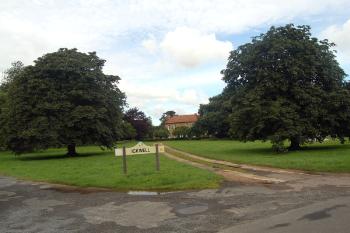
Ickwell Green, July 2007
Name
The name Ickwell is not found in Domesday (1086), but is known to have been in use before 1160/61. Some believe that it meant Gicca's stream or spring, thought to be the spring in the grounds of the present-day Ickwell Bury on land formerly owned by the Knights Hospitaller. Nevertheless, a messuage called Saltwelles in Ickwell was held by Wardon Abbey in 1536 as part of its manor of Caldecote [BHRS, 63, 100 (131)]. Based on the etymology and the disparate spellings found in late medieval documents, it is therefore proposed that Ickwell is derived from the Middle English noun ēke (Old English ēaca) meaning an increase, addition, or enhancement, and that this was simply the place where an additional well was to be found. Recorded forms of the name include:
- Ikewelle: c. 1170;
- Gikewelle: c. 1180-1286;
- Gykewelle: c. 1180-1286;
- Chikewelle: 13th century;
- Chykewelle: 13th century;
- Gigewell: 1202;
- Gikeswell: 1227;
- Jekewelle: 1240-1458;
- Yikewell: 1287;
- Yekewell: 1287-1458;
- Gekyewelle: 1360;
- Zykwell: 1379;
- Zekewell: 1400;
- Ikwell: 1552.
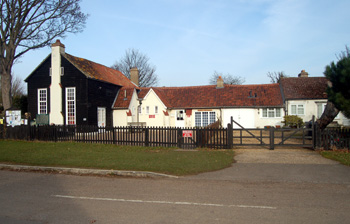
The Village Hall in March 2010
Administrative History
Ickwell has always been a hamlet, now a large one, in the ancient parish of Northill.